At the end of this month, the World Health Organization (WHO) will celebrate May 31 as World No Tobacco Day, a day focused on informing the public on the dangers of using tobacco and the business practices of tobacco companies. The day also focuses on the WHO initiatives in fighting the tobacco epidemic and what people around the world can do to claim their right to health and healthy living and to protect future generations. This year, the theme for World No Tobacco Day is “Commit to Quit.” There is no better time than the present to commit to stop smoking. When an individual quits, the body begins to heal itself and reverse the side effects of smoking and oral health and overall health begin to improve. Make the commitment today to quit.
During this month’s issue of Dental 360°, you’ll learn the effects of smoking on your oral health and how COVID-19 caused people to delay their dental and medical care and how this delayed care is cause for concern. You’ll also learn reasons why you may have a toothache and possible causes of bad breath and how to treat it.
Roseman Dental’s Dental 360° is a monthly e-newsletter. Each month you’ll receive a panoramic view of dental health. Dental health is key to your overall health and here at Roseman Dental, we are dedicated to improving not only your mouth, but your whole self. At our clinic we have an excellent team of licensed dentists, dental residents and students, and dental assistants and hygienists all focused on you and your family’s oral health. We offer comprehensive care, are a one stop shop for all your dental needs and offer dental care at a cost typically lower than what you would find at a traditional dental office. Roseman Dental has been serving its community since 2011 and we look forward to continuing to serve you and your family.
We hope you find Dental 360° helpful and informative. We look forward to connecting with you monthly.
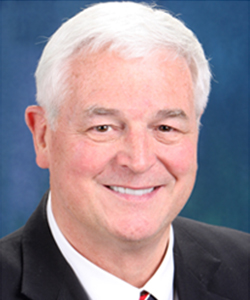
Glen Roberson, DMD, Program Director of Roseman University College of Dental Medicine’s Advanced Education in Orthodontics and Dentofacial Orthopedics program and Orthodontic Clinic, is in a unique position to shape the next generation of compassionate, technologically-savvy, patient-focused orthodontists. Each year, Roseman’s AEODO residency welcomes 10 new residents, dentists intent on specializing in Orthodontics after completion of a three-year residency. Dr. Roberson has been with Roseman University for 11 years as full-time faculty and is newly appointed into the position of Program Director. With ample teaching experience as well as an intimate understanding of the operations of the clinic, he’s spent the past 11 years watching, learning and immersing himself in his work. Roseman strives to develop “Lifelong Colleagues”, values which focus on personal growth, transparency and integrity. Students are encouraged to see their educational journey as not simply limited to the duration of their program, but as a lifetime journey full of learning opportunities and moments that can teach invaluable lessons – lessons that continue to improve our emotional intelligence, clinical skills, and service to patients. Dr. Roberson lives these ideals.
Originally from Northern New Jersey, Dr. Roberson knew as a high schooler that he was suited to a career in healthcare. For two years, he shadowed a physician in a pediatric ward and was energized by young patients but disheartened by the limitations of insurers and patient volume standards– limitations that impacted the quality of care. But as a self-described “overgrown kid” Dr. Roberson found his way to Dental school and ultimately to his specialty in Orthodontics, which gave him the opportunity to treat young patients and make lasting impact on their lives by giving them the confidence of a healthy and beautiful smile.
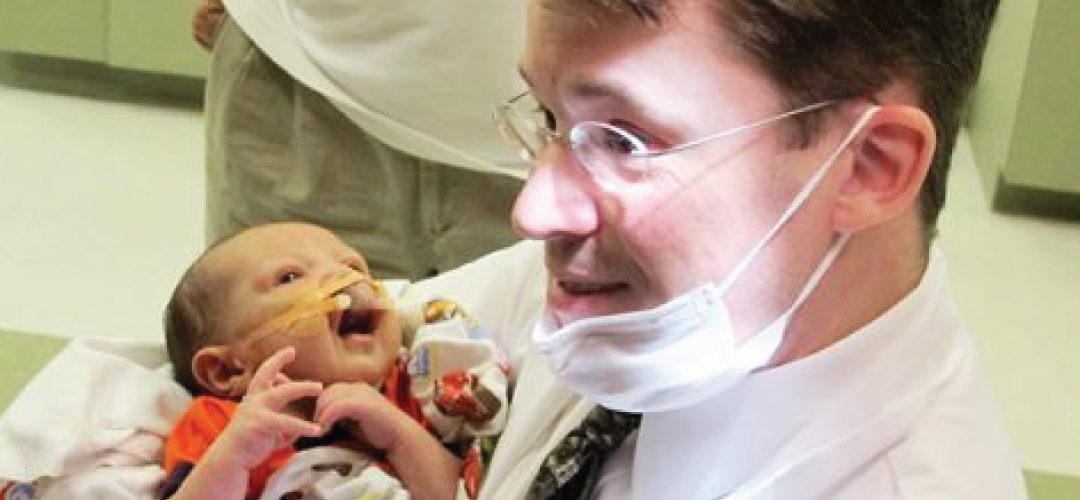
Perhaps closest to his heart however is the work that the clinic does in treating infants, children and adults with Cleft lip and palate anomalies. One of the very few clinics in Nevada to provide this highly specialized care, Dr. Roberson’s team works with patients that are only a few days old, babies who are born with issues that impact their ability to feed and thrive. With early intervention and use of a variety of techniques in orthodontia and dentofacial orthopedics, these young patients can be put on a track towards recovery. Roseman’s clinic does this for patients at no cost – and has donated over $500,000 in care to be able to treat any patient, regardless of their ability to pay.
Dr. Roberson hopes more patients and their families learn about the unique benefits of the Roseman Dental & Orthodontics, which offers reduced-cost, high-quality care to patients needing dental, orthodontic, and cleft lip and palate care. When asked what part of his work he most enjoys, Dr. Roberson says, “I wear my heart on my sleeve, and I enjoy caring for my patients while also shaping the next generation of orthodontists to provide empathic, high-quality care to all”. Highly respected by his peers, patients and students, Dr. Roberson is truly a gift to our community.
Everyone deserves a healthy and beautiful smile, price shouldn’t be a deterrent. Effective April 6, 2021 Roseman Dental & Orthodontics implemented a reduced fee for orthodontic treatment for all new patients. Orthodontic treatment now starts at $2,995*. This new reduction in fee will allow more patients the ability to receive treatment.
Orthodontic Treatment Options
Orthodontic treatment is for everyone and works to correct teeth and jaws that are positioned improperly. There are a variety of fixed and removeable appliances that an orthodontist may recommend for treatment. Depending on how severe your situation, your orthodontist may require traditional metal, clear, or Invisalign® braces for your treatment, as well as additional removable appliances.
Metal Braces
Made from a high-grade stainless steel, these braces provide the highest-quality treatment. Metal braces are the most common type of braces. They consist of bands, wires, and brackets that are adhered to your teeth. Historically they’ve been considered unattractive, but now they are smaller, more comfortable, and appealing.
Ceramic (clear) Braces
This form of braces includes bands, wires, and brackets. Although like metal, ceramic braces are made from a clear, ceramic material – allowing a more discreet option.
Invisalign®
Unlike metal and ceramic braces, Invisalign® is a removable aligner. Rather than wires and brackets, Invisalign® utilizes a clear material that fits over your teeth. Although this is the most discreet option, it is only available to those with specific orthodontic bite problems.
Spring Orthodontic Treatment Discounts
Roseman Dental & Orthodontics is running spring discounts that can be applied to the new treatment price. Spring into a fresh smile with these discounts and the new orthodontic treatment price. Spring Discounts include:
Don’t put braces off any longer. Now is the time to take care of your smile. Schedule a free orthodontic screening and consultation today (Nevada location only) with Roseman Dental & Orthodontics. We are dedicated to increasing your confidence and helping you maintain good oral health.
Bad breath, also known as halitosis, is a condition where individuals emanate an unattractive odor from their mouth. We’ve all experienced bad breath but having bad breath all the time can become embarrassing and induce anxiety. Mints or gum not working? Brushing your teeth not working? There are a variety of reasons why you may be experiencing chronic bad breath.
Causes of Bad Breath
Food
The odor from food that you eat can stick around until the food has completely worked its way out of your system. Food is digested, enters your bloodstream and is carried to your lungs which then affects your breath. It can take up to three days for food to leave your system. Some things that also contribute to bad breath include eating onions, garlic and certain spices, or drinking coffee.
Smoking & Tobacco
Individuals that smoke have an increased risk of getting gum disease which is another source of bad breath. According to the Centers for Disease Control and Prevention (CDC), those that smoke are twice as likely to experience gum disease. In addition to bad breath, smoking causes an array of other oral and overall health problems.
Poor Dental Hygiene
Brushing and flossing daily is very important in preventing bad breath. If you don’t brush or floss, food particles can remain in your mouth and cause bad breath. The tongue can also trap the bacteria that creates bad breath.
Bacteria
Hundreds of different types of bacteria live in your mouth. These different types of bacteria can lead to bad breath. Your mouth unfortunately acts as a hothouse for these bacteria and allows them to grow. When you eat food, these different types of bacteria that live in your mouth feed on the food particles left behind which leads to bad breath.
Dry Mouth
Dry mouth, also known as xerostomia, can contribute to bad breath because the production of saliva is decreased. Saliva helps cleanse your mouth, removing particles that cause bad odors. If your body is not producing enough saliva, your mouth is not getting washed out properly. Dry mouth naturally occurs during sleep, leading to “morning breath,” and it worsens if you sleep with your mouth open. Chronic dry mouth can be caused by a problem with your salivary glands, medications and some diseases.
Gum Disease
Gum disease, also known as periodontitis, is a serious gum infection that damages the soft tissue, can destroy the bone that supports the teeth, and cause teeth to loosen or lead to tooth loss. Gum disease is caused by the buildup of a sticky, cavity-causing bacteria called plaque, which in turn contributes to bad breath.
Medical Conditions
Medical conditions that can cause bad breath include gastric reflux, liver or kidney disease, or diabetes, to name a few. If your dentist has ruled out any mouth infections or conditions and you are brushing and flossing daily, make sure to visit your healthcare provider.
Medications
There are some medications that contribute to dry mouth which is another source of bad breath. Other types of medications are broken down in the body and release chemicals that can be carried in your breath.
How to Prevent Bad Breath
There are some things that you can do to stop bad breath dead in its tracks.
Practice Good Oral Hygiene
Good oral hygiene includes brushing twice a day and flossing daily. In addition to brushing morning and night, it is also a good practice to brush after every meal. Using mouthwash can help kill bacteria and temporarily mask bad breath as well.
Drink Water
Drinking lots of water helps to keep your mouth wet and helps to prevent dry mouth. Chewing on sugarless gum or sucking on sugarless candy also helps stimulate saliva production which assists in washing food particles and bacteria away.
Quit Smoking
Quitting smoking is not only good for your oral health, but also good for your overall health. If you need help quitting, visit waytoquit.org. Way to Quit provides free and confidential tools to quit nicotine, available 24/7 and is proven to help you succeed. Quit online, by phone or text, or create a quit plan customized just for you.
Eat Fruits & Vegetables
Eating fruits and vegetables such as apples, carrots, celery and other hard fruits and vegetables help to clear odor-causing plaque and food particles from the mouth.
Visit Your Dentist Regularly
You should be visiting your dentist at least twice a year (every 6 months) for your checkup and cleaning. At these appointments you’ll also receive an oral exam to determine if any treatment needs to be done such as a filling or crown.
If you haven’t been into your dentist in the last six months, schedule your appointment today with Roseman Dental.
It’s a known fact that smoking and tobacco are bad for overall health. Every time an individual decides to smoke, real damage is being done to the body. According to the Centers for Disease Control and Prevention (CDC), smoking harms nearly every organ of the body, causes many diseases, and reduces the health of smokers in general. It also causes more than 480,000 deaths each year in the United States and causes roughly 90 percent of lung cancer deaths. In addition, smoking is the number one cause of preventable diseases and death in the U.S. Since smoking and tobacco are proven to harm every organ of the body, there should be no surprise that they also are very harmful to oral health.
Oral Health Effects of Tobacco & Smoking
Stained teeth and tongue, bad breath and loss of smell and taste are just the beginning when it comes to a smoker’s oral health problems. The tar in cigarettes stains teeth, discolors the tongue and leads to halitosis, also known as bad breath. These side effects are minimal compared to the more detrimental effects listed below.
Weakened Immune System
Smoking weakens the body’s infection fighters, known as the immune system. This weakening causes the immune system to be compromised. When the immune system is compromised, the body is unable to fight against oral diseases and takes longer to recover from dental surgical procedures, such as tooth extractions.
Gum and Periodontal Disease
Gum disease, also known as periodontitis, is a serious gum infection that damages the soft tissue, can destroy the bone that supports the teeth and cause teeth to loosen or lead to tooth loss. According to the CDC, those that smoke are twice as likely to experience gum disease.
Tooth Decay & Loss
Tooth decay and tooth loss occur with smokers because smoking supports the build-up of plaque and tartar. Also, because smoking causes the immune system to weaken, the body is unable to fight off the build-up of bacteria. The build-up of bacteria, plaque and tartar leads to cavities, decay and tooth loss.
Mouth Sores & Ulcers
Mouth sores and ulcers are common; however, they are more common with individuals that smoke. Ulcers, also known as canker sores, are painful sores that appear on the inside of the mouth and are usually red or yellow.
Gum Recession
Those who smoke are known to develop gum disease which in turn causes receding gums. Receding gums is when the gums recede or pull away from the teeth. This in turn causes pockets or gaps to form between the teeth and gum line which makes it easier for disease-causing bacteria to build up.
Oral Cancer
Cigarettes, cigars and smokeless tobacco contain harmful chemicals that cause mutations in the healthy cells of the mouth and throat, increasing the risk of developing oral cancer. Oral cancer is the most serious side effect of smoking and tobacco use. Oral cancer are cancers that effect the lips, tongue, cheeks, floor of the mouth, hard and soft palate, sinuses, and pharynx (the throat). Oral cancer is part of a group of cancers commonly referred to as head and neck cancers, and of all head and neck cancers, they comprise about 85 percent of that category. According to the Oral Cancer Foundation, close to 54,000 Americans will be diagnosed with oral or oropharyngeal cancer this year. It will cause over 9,750 deaths, killing roughly 1 person per hour, 24 hours per day. Of those 54,000 newly diagnosed individuals, only slightly more than half will be alive in 5 years – approximately 57 percent.
World No Tobacco Day – Monday, May 31
World No Tobacco Day is a day focused on informing the public on the dangers of using tobacco, the business practices of tobacco companies, the World Health Organization (WHO) initiatives in fighting the tobacco epidemic, and what people around the world can do to claim their right to health and healthy living and to protect future generations. This year, the theme for World No Tobacco Day is “Commit to Quit.” Commit to quit today and sign the pledge.
There is no better time than the present to commit to stop smoking. When an individual quits, the body begins to heal itself and reverse the side effects of smoking. Oral health and overall health begin to improve.
If you or someone you know wants to quit, but needs help, visit waytoquit.org. Way to Quit provides free and confidential tools to quit nicotine, available 24/7 and proven to help you succeed. Quit online, by phone or text, or create a quit plan customized just for you.
If you do smoke, it is imperative to visit your dentist regularly. Schedule an appointment today with Roseman Dental.
After reviewing The Washington Post article “After a year of pandemic-delayed medical treatments, doctors are seeing more cases of advanced illnesses”, it’s safe to say that delayed care due to the COVID-19 pandemic is a big concern. COVID-19 created unprecedented challenges for those patients seeking care for conditions not related to COVID-19.
As COVID-19 cases subside and vaccination efforts continue, many healthcare providers are encouraging patients to prioritize their health and seek timely treatment – including Roseman Medical Group and Roseman Dental & Orthodontics providers.
Barriers Leading to Delayed Care
An article published in JAMA Health Forum outlined the results of several public opinion polls conducted during the pandemic to gain insight on whether individuals were able to access medical care during the COVID-19 pandemic. One study reported that one in five adults in the United States – roughly 20 percent – reported experiencing delayed care during the COVID-19 pandemic. In fact, 31-42 percent reported postponing health care for non-COVID-19 issues, such as dental care, regular check-ups, treatment for ongoing conditions, diagnostic or medical screening tests, vision care, and surgical procedures.
Barriers to care included:
Full out-of-pocket costs
Fear of COVID-19 exposure
Finding an available physician
Securing appointments for care
Accessing location where care would be provided
Positive COVID-19 tests for those slated for surgery
Consequences of Delayed Care
For those who reported postponing care due to the pandemic, 57 percent said they experienced negative health consequences as a result. The Washington Post pandemic-delayed care article cited several occurrences of patients experiencing adverse effects from postponing care, as well as new medical concerns.
A survey conducted by the American Dental Association found that over 70 percent of dentists reported an increase in patients grinding or clenching their teeth and 60 percent reported an increase in chipped or cracked teeth which are common stress-related conditions. Additionally, physical therapy needs are on the rise with pain and injuries related to remote work and optometrists and ophthalmologists are seeing an increase in eyestrain due to increased screen time.
The consequences of delayed care vary, depending on factors such as underlying health and the type of care avoided. Recent evidence shows that states with an increased number of COVID-19 deaths also experienced substantial increases in mortality due to other causes, such as diabetes and heart disease.
Delayed care can lead to numerable consequences:
Prolonged avoidance of primary and specialist care impacts chronic condition control, increases the probability of acute complications, and delays diagnosis of new conditions
Delayed preventative screenings could lead to undetected diseases such as diabetes, hypertension, heart disease, depression, cancer, and more
Forgoing pediatric visits could cause negative impacts on physical, mental, and social development of children
Skipping preventative dental care such as semi-annual exams and cleanings could lead to costly damage to oral health such as tooth decay and gum disease
Prolonged hospital stays and higher costs
Increased illness severity, morbidity, and mortality
“Upon review of the Washington Post article, I definitely agree with the importance of timely preventative, urgent and chronic medical care for patients. Unfortunately, I have seen many patients delay care during the COVID-19 pandemic and end up hospitalized for issues that could have easily been prevented on the outpatient basis. With this in mind, I encourage our RMG patients to schedule their annual physical, dental visits, follow up for chronic illnesses, and COVID-19 vaccination for those that qualify at this time.”
“As a dentist, I have certainly seen an increase in major dental issues since the COVID-19 pandemic began. With the shutdown, fears about going to the dentist, and people losing their jobs, many people had no choice but to ignore their dental health, unless they were experiencing significant pain. Unfortunately, by the time a tooth is hurting, it usually requires major dental work to treat. Small cavities that can be easily treated are usually present with no symptoms. This is one of the reasons it is important to find a dentist that you trust and visit on a regular basis. Dental offices have taken extra precautions in order to provide care safely, and patients can feel confident in seeking dental care.”
“A couple of things I have noticed in regard to orthodontic treatment and the quarantine period/COVID:
It appears that due to the mask mandate, many people (particularly adults) have opted to undergo orthodontic treatment because nobody can see that they are wearing appliances
People seemed to be brushing less, again likely because of the mask mandate, and perhaps because for the longest time, people didn’t leave the house. This has subsided (thankfully), but for patients in treatment, that can mean white spot lesions on their teeth where early demineralization has occurred.
Some patients had appliance/wires, that continued to work even though we were not able to see them as often/readily. Those patients may have had teeth move more than we would have liked, or in directions we didn’t necessarily want. Thankfully, again, this type of movement was minimized because most treatment modalities have some built in stop-gaps.
Invisalign trays will only act as a retainer after the programmed tooth movement in any given tray.
Elastomerics deteriorate over time reducing the amount of force placed on the teeth.
Because orthodontists were not able to regularly see their patients and continue treatment improvement, most patients saw their overall time in braces increase. There have been studies that have concluded that the degree of COVID-19 and the mortality can be directly correlated to oral health. So, keep brushing and see your dentist!
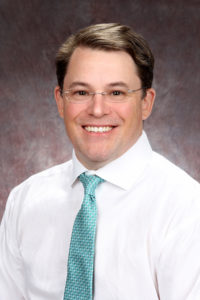
James M. Broadbent, DDS, MS Associate Professor of Dental Medicine
Dr. James M. Broadbent joined Roseman University of Health Sciences in 2009 (the first year of orthodontic residency training) as a full-time faculty member in the Advanced Education in Orthodontics and Dentofacial Orthopedics/MBA (AEODO/MBA) Residency Program. At Roseman, he is course director of several modules of learning. He serves on University faculty senate and several committees. His professional and research interests include phase I orthopedic growth modification, functional jaw orthopedics, accelerated orthodontics, facial esthetics, and air way and temporomandibular joint disorders.
Dr. Broadbent graduated from Brigham Young University with a Bachelor of Science (BS) degree in Zoology. Dr. Broadbent received his Doctor of Dental Surgery (DDS) degree from the Northwestern University Dental School in Chicago. He completed a dental specialties internship at the Chandler Medical Center, University of Kentucky. He then served as an Assistant Professor of Crown and Bridge at Northwestern University Dental School and practiced general dentistry prior to dental specialty training. Dr Broadbent received his Master of Science (MS) degree and Certificate in Orthodontics from Northwestern University.
Dr. Broadbent practiced orthodontics many years in Provo, Utah, and served as adjunct faculty at Utah Technical College (now Utah Valley University), American Institute of Medical Dental Technology, and Provo College. Dr. Broadbent made a significant contribution to the art and science of orthodontics in teaching numerous continuing education courses, seminars, and presentations at local, state, and national and international dental meetings, and university graduate training programs. Along the way, he was awarded the Joseph E. Johnson Outstanding Table Clinic, American Association of Orthodontists, and twice the (AAFO) J. Robert Bronson Clinician of the Year award.
Dr. Broadbent completed board certification in orthodontics, achieving the status of Diplomate, American Board of Orthodontics. His interest and training in temporomandibular joint disorders and oral facial pain lead to achieving status of Diplomate, American Academy of Pain Management.
Dr. Broadbent has published many articles in several professional journals. He served as president of the Provo District Dental Society, Utah Dental Association annual program, and president of the Utah Association of Orthodontists.
Dr. Broadbent demonstrates vision and leadership in community organizations and service. He is recognized as a Kentucky Colonel, Commonwealth of Kentucky; member President’s Club, Brigham Young University; Boy Scouts of America distinguished Silver Beaver; and James E. West Fellow. For more than 20 years he served the Boy Scouts of America; Utah National Parks Council (one of the largest National BSA Councils), as Council Jamboree Chairman; National Boy Scout Jamboree, A.P. Hill Virginia (1985, 1989, 1993); and Chair of highly successful Council Events (1996, 2000) and as Utah National Parks Council Commissioner (1987-2000) and UNPC Vice President Program (2000-2003). He earned the distinguished Eagle Scout and Silver Explorer awards.
Dr. Broadbent is a member of the American Dental Association, Utah Dental Association, American Association of Orthodontists, Rocky Mountain Society of Orthodontists, Utah Association of Orthodontists, American Association for Functional Orthodontics, International Association for Orthodontics, and the American Dental Educators Association.
Before joining Roseman University of Health Sciences, he served as attending dentist and adjunct faculty instructor of several courses of education at Salt Lake Community College, Dental Hygiene Program (South Jordan Utah Campus).
Dr. Broadbent is licensed to practice dentistry in California, Nevada, and Utah.
Personal activities include fly fishing, off-road rock crawling motor sports, over landing motor sports, and white water river running.
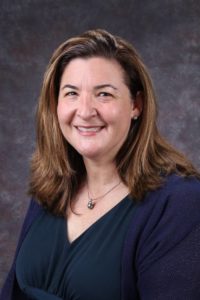
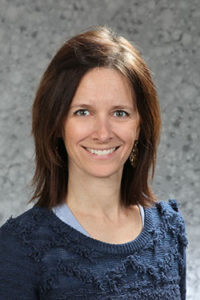
Prashanti Bollu, MBA, MS, DMD Program Director, Associate Professor of Dental Medicine, AEODO/MBA Program
Dr. Prashanti Bollu received dental school training from Boston University School of Dental Medicine. She holds a Master’s degree in Health Care Administration as well as a Master’s in Business Administration. Part of the inaugural class, Dr. Bollu received her orthodontic training from the Roseman University of Health Sciences.
Dr. Bollu has received several awards for outstanding academic achievements during her undergraduate and graduate training. Her interest in research was sparked early in dental school and strengthened further during her employment at Boston University during which time she worked with many prominent researchers. She has been involved in several research projects and presented multiple posters at national conferences. Dr. Bollu has been recognized by DENTSPLY and Sigma Xi, The Scientific Research Society, for outstanding research.
Besides serving as a clinical and teaching faculty, Dr. Bollu was actively involved in growing the research component of the Advanced Education in Orthodontics & Dentofacial Orthopedics (AEODO) /MBA Residency Program. As Director of Dental Research for College of Dental Medicine (Henderson Campus), she facilitated all resident and faculty research endeavors. Her research interests include Cone Beam Computed Tomography (CBCT), practice management issues, orthodontic insurance coverage gaps and access to orthodontic care.
Currently, Dr. Prashanti Bollu serves as the Interim Program Director for the AEODO/MBA residency program. She also practices in a few private orthodontic offices in the Las Vegas area. Dr. Bollu is a Board Certified Orthodontist and has active professional affiliations with multiple national and regional dental/orthodontic associations including American Association of Orthodontics, Pacific Coast Society of Orthodontists, and Southern Nevada Dental Society. She has also been a member of the International Association of Dental Research as well as the American Association of Dental Research.